Why the window exists
Many supply agreements in this trade give a short window, often a few business days, to raise shortage or damage with photographs and the signed bill of lading. It is not an arbitrary obstacle: after about a week, nobody can distinguish damage that arrived from damage that happened on site.
That ambiguity is bad for the buyer as well as the seller. A clear window protects both parties from a conversation that has no factual resolution.
What to do at delivery
The decisive moments happen before the driver leaves, and they take about five minutes.
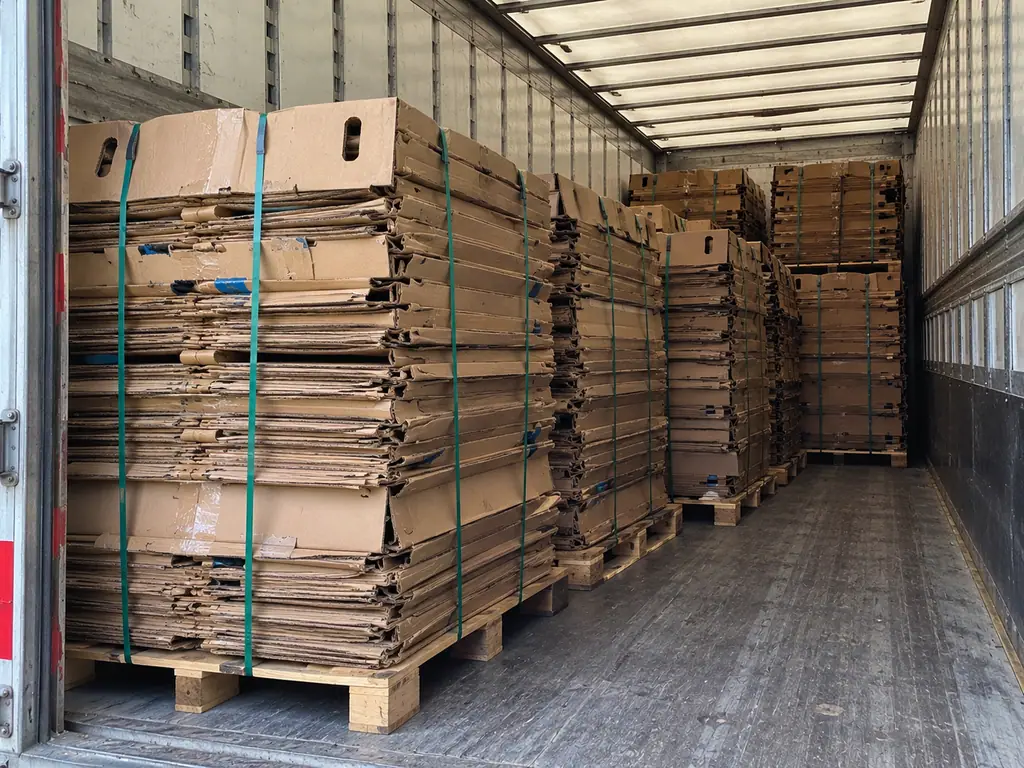
- Photograph the load inside the trailer before anything is unloaded.
- Photograph any visible damage from two distances — context and detail.
- Note the exception on the bill of lading before signing, specifically: 'three bundles water damaged, driver advised'.
- Record the trailer number and seal number.
- Count bundles against the paperwork while the driver is present.
The bill of lading note is the whole thing
A clean signed bill of lading is an assertion that the load arrived as described. Once it is signed clean, a later claim is substantially weaker regardless of what photographs show, because the carrier can reasonably argue the damage occurred after delivery.
Noting an exception takes ten seconds and costs nothing. Drivers are used to it; it is not an accusation.
Which claim is it?
Product and freight claims go to different parties, and sorting that out early saves a week. If the supplier's pre-load photographs show a sound load and yours show damage on arrival, it is a freight claim. If the damage is visible in both sets, it is a product claim.
This is the practical reason to ask suppliers whether they photograph loads before shipping. Photographs on both sides usually settle the question in one email rather than three.
What a good claim email contains
Order number, delivery date, what is wrong, how many units, photographs attached, the noted bill of lading, and what you would like done — replacement, re-grade or credit.
Claims written that way tend to get resolved quickly. Claims that arrive as a description of frustration without a count take much longer, through no fault of the person who is understandably frustrated.
Things that cannot be assessed
Once material has been used, cut, modified or disposed of, nobody can evaluate what was wrong with it. This is standard across the industry and it catches people out.
If you believe a load is defective, set it aside intact until the claim is resolved. If you need the material urgently, photograph thoroughly first and say so in the claim.