The thing that actually runs out
People plan for seasonal price increases. What catches them out is capacity: in the weeks around harvest and retail peak, the issue is not that a trailer costs more, it is that there is no trailer.
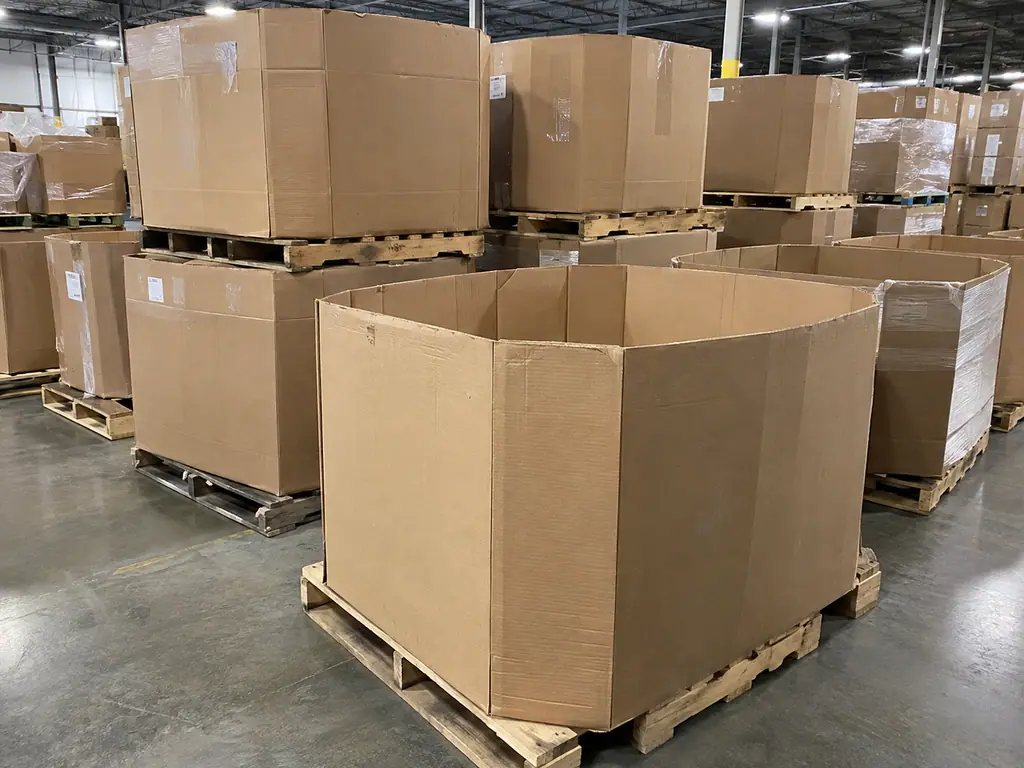
Light, high-cube freight is the first thing carriers decline when their equipment is in demand, because it fills a trailer without filling the weight allowance. Empty bulk containers are, from a carrier's perspective, the least attractive load in the market.
Book capacity, not just price
The conversation to have in June is not 'what will this cost in September' but 'will you commit equipment in September'. Those are different commitments and the second one is worth paying a little for.
Ask about availability well before peak, because sourcing and moving containers in the same fortnight everyone else needs them is unreliable at any price.
Widen the window
A two-hour receiving window on a Friday afternoon in September is close to unservable. A four-hour window across two days is dramatically easier to cover and usually costs less because it can be matched against another movement.
If you can take a drop trailer, say so. Drop-and-hook removes the scheduling problem entirely and is frequently the difference between getting served and not.
Consolidate with your neighbours
Two nearby facilities each needing a partial load can share one full trailer, and the saving can be substantial for both.
It requires only that both parties are flexible by a day or two, and that somebody is willing to make the call.
The backhaul question
Ask any supplier whether they look for a return load before quoting your freight. Loaded legs in both directions are both the cheapest and the lowest-carbon way to move this material.
If the answer is no, you are paying for an empty leg, and in peak season you are paying for a scarce empty leg.
A June checklist
Everything above condenses into five things to do in the quiet part of the year.
- Confirm volumes against last season's actuals, not the January plan.
- Reserve both inventory and equipment, in writing, for named weeks.
- Widen and publish your receiving windows for the peak period.
- Ask about backhaul matching and consolidation with nearby facilities.
- Schedule the empties collection for the month after your peak, while they are worth the most.